
High Blood Pressure In Seniors: Treatment Beyond Medication

.svg)
- High blood pressure affects over 65% of adults aged 65 and older, but lifestyle changes can reduce readings as effectively as one or two blood pressure medications
- The DASH diet combined with sodium reduction can lower systolic blood pressure by 8-14 points within weeks
- Regular moderate exercise like walking 30 minutes daily significantly reduces blood pressure and strengthens your heart
- Stress management techniques including meditation and deep breathing activate your body's relaxation response to lower blood pressure naturally
- A Solace advocate can help coordinate with your doctors to develop personalized lifestyle modification plans and monitor your progress


Learn more about Solace and how a patient advocate can help you.
If you're one of the 66% of Americans over 65 living with high blood pressure, you've probably wondered whether there's more you can do beyond taking medication. The good news? There absolutely is. Research shows that lifestyle changes can be just as powerful as medication for managing blood pressure—and in some cases, they might even help you reduce or eliminate your need for prescriptions altogether.
High blood pressure, or hypertension, isn't just another number to worry about. It's the leading modifiable risk factor for strokes, heart attacks, and heart failure in older adults. But here's what many doctors don't emphasize enough: you have more control over your blood pressure than you might think.
This article explores evidence-based, natural approaches to managing high blood pressure that go beyond the prescription pad. From specific foods that open your blood vessels to simple breathing exercises that calm your nervous system, these strategies are backed by research and designed specifically for seniors.

Understanding High Blood Pressure in Seniors
What Is Considered High Blood Pressure?
According to current guidelines from the American College of Cardiology and American Heart Association, blood pressure is considered high when it consistently measures at or above 130/80 mm Hg. Here's what those numbers mean:
- Normal: Less than 120/80 mm Hg
- Elevated: Systolic (top number) between 120-129 and diastolic less than 80
- Stage 1 Hypertension: Systolic between 130-139 or diastolic between 80-89
- Stage 2 Hypertension: Systolic 140 or higher, or diastolic 90 or higher
For seniors, isolated systolic hypertension is particularly common—this means only your top number is high while the bottom number stays normal. This happens because arteries naturally stiffen with age, making it harder for blood to flow smoothly.
Why High Blood Pressure Increases with Age
Your blood vessels change as you get older. The large arteries lose their elasticity and become stiffer, forcing your heart to pump harder to move blood through your body. Research published by the National Institutes of Health shows that seniors are also more sensitive to salt than younger people, which means the same amount of sodium causes a bigger spike in blood pressure.
Other age-related changes contribute too. Your kidneys become less efficient at removing excess fluid. The sensors that help regulate blood pressure (called baroreceptors) don't respond as quickly. And many seniors become less active over time, which compounds these other factors.
Unique Risks for Seniors
Managing blood pressure in older adults requires special consideration. Orthostatic hypotension—a sudden drop in blood pressure when standing up—becomes more common with age and certain medications. This can lead to dizziness, falls, and injuries. That's why any blood pressure management plan needs to account for both high readings and the risk of blood pressure dropping too low.
The DASH Diet: Your First Line of Defense
What Is the DASH Diet?
The Dietary Approaches to Stop Hypertension (DASH) diet isn't just another fad—it's a scientifically proven eating plan that research from Johns Hopkins shows can lower systolic blood pressure by 8 to 14 points. For some people, following DASH can bring elevated blood pressure back to normal without medication.
The diet emphasizes whole foods naturally low in sodium and high in blood pressure-lowering nutrients like potassium, magnesium, and fiber. Think of it less as a restrictive diet and more as a sustainable way of eating that happens to be great for your blood pressure.
Foods That Lower Blood Pressure
The stars of the DASH diet work together to relax blood vessels and help your body get rid of excess sodium. Here are the foods to emphasize:
Potassium powerhouses help counteract sodium's effects. A medium banana contains about 420 milligrams of potassium, but don't stop there. Load up on beans, tomatoes, sweet potatoes, and avocados. These foods help your kidneys flush out excess sodium through your urine.
Leafy greens like spinach and arugula pack multiple blood pressure benefits. They're rich in potassium, magnesium, and nitrates that convert to nitric oxide in your body, helping blood vessels relax and widen.
Berries aren't just delicious—they contain compounds called anthocyanins that Northwestern Medicine research links to healthier blood pressure. Blueberries, strawberries, and raspberries all count, fresh or frozen.
Whole grains provide fiber that feeds beneficial gut bacteria. These bacteria produce compounds that can lower blood pressure. Aim for oatmeal, brown rice, and whole wheat bread instead of refined grains.
Nuts and seeds offer magnesium, potassium, and healthy fats. Just remember to choose unsalted varieties. A small handful of almonds or walnuts makes a perfect snack.
Foods to Limit or Avoid
Sodium is the biggest dietary culprit in high blood pressure. The American Heart Association recommends no more than 1,500 mg daily for people with hypertension—that's less than a teaspoon of salt. But here's the tricky part: most sodium doesn't come from your salt shaker. It's hidden in processed foods, restaurant meals, bread, and even foods that don't taste salty.
Red meat should be limited to occasional treats rather than daily staples. When you do eat meat, choose lean cuts and remove visible fat and skin. Alcohol raises blood pressure too, so if you drink, stick to moderate amounts—no more than one drink daily for women or two for men.
Exercise: Movement as Medicine
Recommended Exercise Guidelines
You don't need to become a marathon runner to see blood pressure benefits. The Mayo Clinic confirms that 150 minutes of moderate exercise weekly can significantly lower blood pressure. That breaks down to just 30 minutes, five days a week—or even three 10-minute walks throughout your day.
Exercise works by making your heart stronger and more efficient. A stronger heart can pump more blood with less effort, which means less pressure on your artery walls. Regular physical activity also helps you maintain a healthy weight, another crucial factor in blood pressure control.
Best Exercises for Seniors
Walking is the perfect starting point. It's free, requires no special equipment beyond comfortable shoes, and you can do it almost anywhere. Start with what you can manage—even five minutes is better than nothing—and gradually build up.
Swimming and water aerobics are excellent for anyone with joint problems or mobility issues. The water supports your body weight while still providing resistance for a good workout. Many community centers and YMCAs offer senior water exercise classes.
For those with limited mobility, chair exercises can still provide cardiovascular benefits. These seated workouts improve circulation and can be done while watching TV or listening to music. Tai chi, with its slow, flowing movements, not only helps with blood pressure but also improves balance and reduces fall risk.
Starting Safely
Before beginning any new exercise program, talk with your doctor, especially if you've been sedentary or have other health conditions. Start slowly and pay attention to how you feel. If you experience chest pain, severe shortness of breath, or dizziness, stop immediately and contact your healthcare provider.
Track your progress but don't get discouraged if you don't see immediate results. It typically takes about one to three months of regular exercise to see blood pressure improvements. The key is consistency, not intensity.
Stress Management and Relaxation Techniques
Deep Breathing Exercises
When you're stressed, your body releases hormones that temporarily spike your blood pressure. Chronic stress keeps these hormones elevated, contributing to long-term hypertension. Deep breathing activates your parasympathetic nervous system—your body's natural "rest and digest" response—which directly lowers blood pressure.
Here's a simple technique you can try right now: Breathe in slowly through your nose for four counts, hold for four counts, then exhale through your mouth for six counts. Repeat this cycle five to ten times. Research shows that practicing deep breathing exercises for just 10 minutes twice daily can reduce both systolic and diastolic blood pressure.
Meditation and Mindfulness
You don't need to sit cross-legged on a mountaintop to meditate. Studies show that both transcendental meditation and simple mindfulness practices effectively lower blood pressure. Start with just five minutes daily, sitting comfortably with your eyes closed, focusing on your breath. When your mind wanders (and it will), gently bring your attention back to breathing without judgment.
Many free apps like Insight Timer or Calm offer guided meditations specifically designed for seniors or beginners. Some Medicare Advantage plans even cover mindfulness programs—worth checking if you have this coverage.
Other Stress Reduction Methods
Find what relaxes you personally. For some, it's gardening or working on puzzles. Others find peace in listening to music, spending time with pets, or connecting with friends. The activity itself matters less than how it makes you feel. Regular engagement in enjoyable activities lowers stress hormones and, consequently, blood pressure.
Sleep: The Overlooked Factor
Sleep and Blood Pressure Connection
People who consistently get less than six hours of sleep have a higher risk of developing high blood pressure. During normal sleep, your blood pressure naturally dips by 10-20%. Miss out on sleep, and you miss this important recovery period. Poor sleep also increases stress hormones and inflammation, both of which raise blood pressure.
Improving Sleep Quality
Creating a consistent sleep routine signals your body when it's time to wind down. Try these evidence-based strategies:
Go to bed and wake up at the same time every day, even on weekends. Keep your bedroom cool (around 65-68°F), dark, and quiet. Remove electronic devices or use blue light filters in the evening. Avoid caffeine after 2 PM and large meals within three hours of bedtime.
If you snore loudly or feel tired despite adequate sleep, talk to your doctor about sleep apnea. This common condition, where breathing repeatedly stops during sleep, significantly raises blood pressure but is treatable with CPAP therapy or other interventions.
Additional Natural Approaches
Weight Management
Losing even 10 pounds can make a meaningful difference in your blood pressure. But crash diets aren't the answer—they're hard to maintain and can be dangerous for seniors. Instead, focus on sustainable changes like portion control and choosing nutrient-dense foods over empty calories.
Research shows that any dietary approach leading to weight loss will lower blood pressure, whether it's low-carb, Mediterranean, or intermittent fasting. The best diet is one you can stick with long-term.
Supplements and Natural Remedies
Some natural remedies show promise for blood pressure management, though they shouldn't replace proven treatments. Hibiscus tea, for example, has been shown in studies to modestly lower blood pressure when consumed regularly. The catch? You'd need to drink it two to three times daily to see benefits.
Beetroot juice contains nitrates that temporarily relax blood vessels, but the high sugar content and calories might offset benefits if consumed in large quantities. Omega-3 fatty acids from fish oil may help, but always discuss supplements with your doctor first—they can interact with medications or cause side effects.
Monitoring Progress at Home
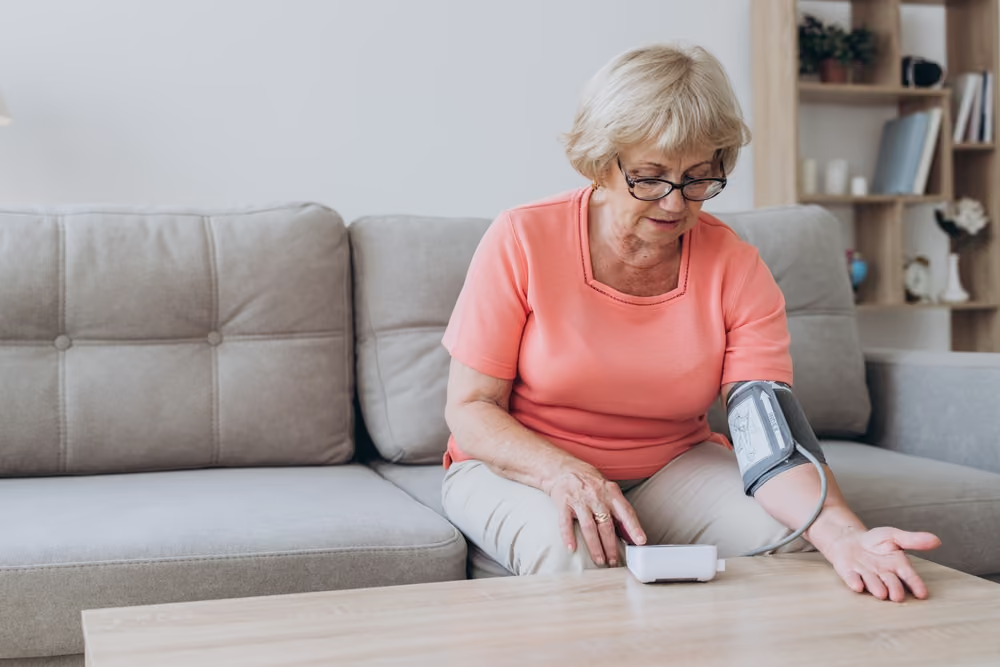
A home blood pressure monitor lets you track your progress and spot patterns. Check your pressure at the same times each day, ideally morning and evening. Keep a log to share with your healthcare provider. This data helps determine whether your lifestyle changes are working and if medication adjustments are needed.
Creating a Sustainable Plan
Making Gradual Changes
Trying to overhaul your entire lifestyle overnight is a recipe for failure. Pick one or two changes to start—maybe reducing sodium and adding a daily walk. Once these become habits (usually after about three weeks), add another change. This gradual approach is more likely to lead to lasting results.
Track your progress but be patient. Blood pressure changes from lifestyle modifications can take several weeks to months to fully materialize. Celebrate small victories along the way, like choosing fruit instead of chips or walking an extra block.
Working with Healthcare Providers
Never stop taking blood pressure medication without your doctor's guidance, even if your readings improve. Some medications, particularly beta-blockers, can cause dangerous rebound hypertension if stopped suddenly. Instead, work with your provider to potentially reduce doses as your lifestyle changes take effect.
Be honest about what changes you can realistically maintain. If you hate cooking, focusing on the DASH diet might not be your best starting point. If joint pain limits exercise, ask about physical therapy or water-based activities. Your plan should fit your life, not the other way around.
How a Solace Advocate Can Help
Managing high blood pressure naturally involves coordinating multiple aspects of your health, and that's where a Solace advocate becomes invaluable. Your advocate can help you develop a comprehensive lifestyle modification plan that works with, not against, your current medical treatment.
A Solace advocate assists with care coordination between your various healthcare providers, ensuring everyone is aware of your lifestyle changes and how they might affect your medications. They'll help track and document your blood pressure readings, creating detailed logs that show your doctors exactly how diet and exercise changes are impacting your health.
Your advocate researches local resources you might not know exist—senior exercise programs at community centers, nutrition counseling covered by Medicare, or farmers' markets that accept SNAP benefits. They can help you understand which preventive services Medicare covers, including nutrition therapy for hypertension and cardiac rehabilitation programs.
When you're feeling overwhelmed by conflicting advice or multiple medication changes, your advocate provides clarity and support. They attend appointments with you (virtually or in person), help you prepare questions about incorporating lifestyle changes, and ensure you understand your doctor's recommendations. They'll also assist with insurance coverage for things like home blood pressure monitors or gym memberships that some Medicare Advantage plans include.
Perhaps most importantly, a Solace advocate provides accountability and encouragement as you work toward your blood pressure goals. They celebrate your successes, help problem-solve challenges, and adjust your approach when something isn't working. With an advocate in your corner, you're never alone in managing your health.

Frequently Asked Questions About High Blood Pressure Treatments That Don't Require Medication
How quickly can lifestyle changes lower blood pressure?
Some changes work faster than others. Reducing sodium can show results in as little as two weeks, with blood pressure dropping 5-7 points. Regular exercise typically takes one to three months to show full benefits. The DASH diet often produces noticeable improvements within two to four weeks. Weight loss effects depend on how much you lose, but even modest weight loss of 10 pounds can reduce systolic blood pressure by 5-20 points.
Can I stop my blood pressure medication if I make these changes?
Never stop blood pressure medication on your own. While lifestyle changes can reduce or eliminate the need for medication in some people, this must be done gradually under medical supervision. Stopping certain medications suddenly, especially beta-blockers, can cause dangerous spikes in blood pressure. Work with your doctor to potentially reduce doses as your lifestyle modifications show results.
What if I have mobility issues that prevent exercise?
Exercise doesn't have to mean running or going to a gym. Chair exercises, resistance bands, and even deep breathing exercises provide cardiovascular benefits. Water exercises are excellent if you have access to a pool, as the buoyancy reduces joint stress. Physical therapy might be covered by Medicare if prescribed by your doctor. Even standing up regularly throughout the day or doing arm exercises while seated can help.
How much sodium should I actually consume per day?
For people with high blood pressure, the American Heart Association recommends no more than 1,500 mg of sodium daily—about 2/3 of a teaspoon of salt. The average American consumes 3,400 mg daily, so this requires significant changes. Focus on cooking more at home, reading labels carefully, and choosing fresh foods over processed ones. Remember that bread, cheese, and restaurant meals are major hidden sources of sodium.
Are there any risks to lowering blood pressure too much through natural methods?
Yes, blood pressure can go too low, especially in older adults. This can cause dizziness, falls, and fainting. That's why monitoring is crucial. If you experience lightheadedness when standing, fatigue, or blurred vision, your blood pressure might be too low. Always check blood pressure both sitting and standing, and report any concerning symptoms to your doctor immediately.
This article is for informational purposes only and should not be substituted for professional advice. Information is subject to change. Consult your healthcare provider or a qualified professional for guidance on medical issues, financial concerns, or healthcare benefits.
Related Reading
- The Benefits of Care Coordination – How to Keep Your Doctors on the Same Page
- Understanding Medicare's Preventive Service Coverage
- How to Make the Most of Your Doctor's Appointment
- Managing Multiple Specialists for Chronic Illness: A Comprehensive Guide
- Preparing for Specialist Appointments with Chronic Illness
- American College of Cardiology: Older Adults and Hypertension: Beyond the 2017 Guideline
- American Academy of Family Physicians: Management of Hypertension in Older Persons
- Johns Hopkins Medicine: Low Sodium Diet and Lifestyle Changes for High Blood Pressure
- Mayo Clinic: High blood pressure (hypertension) - Diagnosis & treatment
- Mayo Clinic: 10 ways to control high blood pressure without medication
- National Institutes of Health: Managing Hypertension in the Elderly: A Common Chronic Disease with Increasing Age
- Northwestern Medicine: Foods That Can Lower Your Blood Pressure Naturally
.png)
Dr. John Taylor is the Chief Medical Officer at Solace. As a psychiatrist and healthcare leader with deep expertise in behavioral health, dementia care, and population health, he serves as a consultation-liaison psychiatrist at Massachusetts General Hospital and is an assistant professor of psychiatry at Harvard Medical School.