
Diverticulitis: What It Is And How To Prevent It

.svg)
- Diverticulitis occurs when small pouches in the colon become inflamed or infected, causing sudden, severe abdominal pain
- A high-fiber diet with 25-35 grams daily can help prevent diverticulitis by keeping bowel movements regular and reducing colon pressure
- The myth about avoiding nuts and seeds is outdated—these foods may actually reduce your risk by softening stool
- Most cases respond to rest, antibiotics, and diet changes, but serious complications like abscesses or perforations require immediate medical attention
- A Solace advocate can coordinate your gastroenterology care, help you understand treatment options, and ensure all your providers stay connected


Learn more about Solace and how a patient advocate can help you.
f you've ever experienced sudden, severe pain in your lower abdomen that felt like something was seriously wrong, you know how scary it can be. For many people, that pain turns out to be diverticulitis—a condition that affects millions of Americans, especially as they get older.
The good news is that diverticulitis is usually treatable, and there are real steps you can take to prevent it from happening in the first place or coming back. The system isn't always great at explaining what's happening in your body or what you should do about it, so let's break it down in a way that actually makes sense.

Understanding Diverticulitis: The Basics
What Is Diverticulosis?
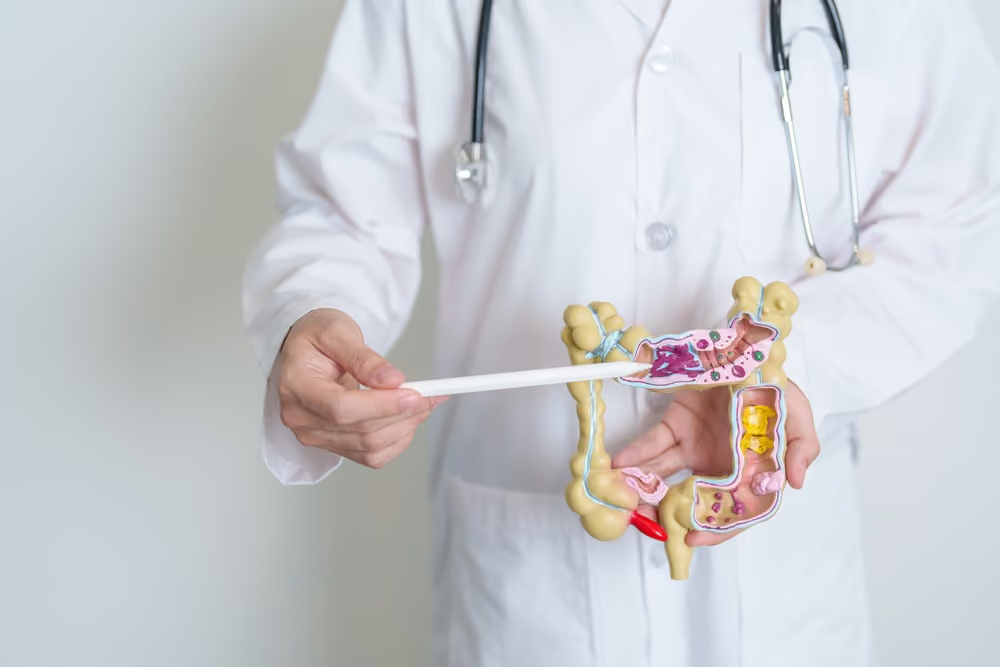
Before you can understand diverticulitis, you need to know about diverticulosis. Diverticulosis happens when small pouches, called diverticula, form in the walls of your colon (your large intestine). Think of them like tiny bulges that push outward through weak spots in the colon wall.
These pouches are incredibly common. More than one-third of U.S. adults between ages 50 and 59 have diverticulosis, and more than two-thirds of people over age 80 have it. Most people don't even know they have these pouches because they don't cause any symptoms or problems.
When Diverticulosis Becomes Diverticulitis
Diverticulitis happens when one or more of these pouches becomes inflamed or infected. The exact reason isn't completely clear, but researchers think it happens when a tear develops in the pouch, possibly from stool or bacteria getting trapped inside.
Only about 4% of people with diverticulosis will develop diverticulitis. But once you've had it, you have about a 20% chance of getting it again. The condition can be acute (comes on suddenly and goes away with treatment) or chronic (ongoing inflammation that keeps coming back).
Who's at Risk for Diverticulitis?
Age and Genetics
Age is the biggest risk factor for developing diverticula in the first place. The pouches become more common as you get older, which is why diverticulitis is much more common in older adults. However, the number of younger adults being diagnosed with diverticulitis is rising, especially among people ages 18 to 44.
Your genes may also play a role. If diverticulitis runs in your family, you might be more likely to develop it yourself.
Lifestyle Factors
Several lifestyle factors can increase your risk:
Diet: Low-fiber diets are strongly linked to diverticulosis and diverticulitis. Studies have shown an association between low-fiber diets and diverticulosis, since the condition is less common in places like Asia and Africa, where people eat more plant-based, high-fiber foods.
Physical activity: Not getting enough exercise may raise your risk. Regular physical activity helps keep your bowels moving and reduces pressure in your colon.
Weight: Obesity is linked to a higher risk of diverticulitis.
Smoking: Smoking can damage your colon wall and increase your chances of developing diverticulitis.
Other Contributing Factors
Certain medications, especially nonsteroidal anti-inflammatory drugs (NSAIDs) like ibuprofen, may increase your risk of diverticulitis and its complications. Chronic constipation also puts extra pressure on your colon, which can lead to pouches forming and becoming inflamed.
Recognizing Diverticulitis Symptoms
Common Warning Signs
The most notable symptom of diverticulitis is pain—usually sudden and severe—in the lower left side of your abdomen. The pain is typically severe and comes on suddenly, though sometimes it can be mild and worsen over several days.
Other symptoms include:
- Fever and chills
- Nausea and vomiting
- Changes in bowel habits (constipation or diarrhea)
- Bloating and cramping
- Loss of appetite
When to Seek Immediate Care
Some symptoms mean you need medical attention right away. If you experience severe abdominal pain that doesn't go away, persistent vomiting that prevents you from keeping down fluids, high fever, or blood in your stool, don't wait—get help immediately. These could be signs of serious complications.
How Diverticulitis Is Diagnosed
Physical Examination
When you see your doctor with symptoms, they'll start by examining your abdomen to check for tenderness, especially on the lower left side. They'll ask about your symptoms, medical history, and bowel patterns.
Imaging Tests
An abdominal CT scan is the best way to diagnose diverticulitis. The scan shows whether you have inflamed pouches, how severe the inflammation is, and whether you've developed any complications like an abscess (a pocket of pus) or perforation (a tear).
Your doctor might also order blood tests to check for signs of infection, like an elevated white blood cell count.
Colonoscopy Timing
If you haven't had a colonoscopy within the past year, your doctor will likely recommend one about eight weeks after your symptoms began. This waiting period gives your colon time to heal. The colonoscopy helps rule out other conditions, including colorectal cancer. While the risk of cancer is low, it's 40 times higher in patients with uncomplicated diverticulitis than in the general population.
Treating Diverticulitis: From Mild to Severe
Uncomplicated Diverticulitis (80% of Cases)
Most people—about 80%—have uncomplicated diverticulitis, which means the inflammation and possible infection are the main problems, without additional complications. Treatment typically focuses on short-term symptom relief and creating a long-term plan to prevent flare-ups.
Your doctor will likely recommend:
Rest: Your digestive system needs a break. You might need to rest at home for a few days.
Diet changes: During a flare-up, you'll need to follow a clear liquid or low-fiber diet to reduce strain on your colon. This can include broth, clear juices, gelatin, and other easily digestible foods. Once symptoms improve, you'll gradually add fiber back in.
Antibiotics: Your provider might prescribe antibiotics like Ciprofloxacin or Flagyl (metronidazole) for about 10 days to help reduce inflammation and fight infection. However, newer thinking suggests that not all mild cases need antibiotics—if there's no fever, rest, fluids, and non-narcotic pain medications may be enough.
Pain management: Your doctor will recommend acetaminophen for pain rather than NSAIDs, which can increase the risk of complications.
Complicated Diverticulitis
About 20% of cases involve complications that require more intensive treatment or hospitalization. These complications include:
Abscesses: Pus-filled pockets that may need to be drained
Perforations: Tears in the colon wall that allow contents to leak into the abdomen, causing a serious infection called peritonitis
Fistulas: Abnormal tunnels that form between the colon and another organ, like the bladder or vagina
Strictures: Narrowing of the colon from scar tissue, which can lead to blockages
If you develop these complications, you might need IV antibiotics, drainage procedures, or surgery to remove the affected part of your colon.
Recovery and Follow-Up Care
Most people recover from uncomplicated diverticulitis within a week or two with proper treatment. It takes about three months for your bowels to fully adjust and return to normal patterns. During recovery, you'll work with your healthcare provider to gradually reintroduce high-fiber foods and develop a prevention plan.
Preventing Diverticulitis: What Actually Works
Healthcare providers don't know enough about why diverticulitis happens to prevent it completely, but research points to several strategies that can help keep your bowels healthy and reduce your risk.
Build a High-Fiber Diet
Aim for 25 to 35 grams of fiber daily. Fiber keeps your stool soft and promotes regular bowel movements, which reduces pressure on your colon. This lower pressure is thought to reduce the risk of diverticula forming and becoming inflamed.
The best sources of fiber include:
- Whole grains (bran, whole-wheat pasta, oatmeal)
- Fresh fruits (apples, pears, raspberries)
- Vegetables (sweet potatoes, broccoli, Brussels sprouts)
- Beans and legumes
- Avocados
- Nuts and seeds
If you're not getting enough fiber from food, talk to your doctor about fiber supplements like psyllium or methylcellulose. Add fiber gradually to avoid bloating and gas.
Stay Hydrated
Drink at least eight 8-ounce glasses of water a day, especially if you're increasing your fiber intake. Water helps fiber do its job of keeping your stool soft and easy to pass.
Keep Moving
Regular exercise helps your digestive system function properly and keeps bowel movements regular. You don't need to run marathons—even walking for 30 minutes most days of the week can make a difference.
Manage Your Weight
Obesity increases your risk of diverticulitis and its complications. If you're carrying extra weight, losing even a modest amount can help reduce your risk.
Limit Red Meat
Some studies have associated high red meat consumption with acute diverticulitis. Try to eat red meat less often and choose lean proteins like fish, chicken, or plant-based options instead.
Don't Smoke
Smoking can damage your colon wall and increase your risk of developing diverticulitis. If you smoke, quitting is one of the best things you can do for your digestive health (and your overall health).
Address Constipation
Chronic constipation puts extra pressure on your colon, which can contribute to diverticulitis. If you struggle with constipation, talk to your doctor about safe solutions. Over-the-counter stool softeners, natural laxatives like prunes or prune juice, or medications like polyethylene glycol (MiraLax) can help. Just don't rely on laxatives long-term without talking to your doctor first.
Debunking the Nuts and Seeds Myth
For years, people with diverticulosis were told to avoid nuts, seeds, corn, and popcorn. The thinking was that small particles might get stuck in the pouches and cause inflammation.
Good news: decades of research have not supported this idea. In fact, eating these foods may actually decrease your chances of a diverticulitis flare-up by softening your stool, which puts less pressure on your colon.
Nuts and seeds are great sources of fiber and plant-based protein. It's much better for your bowels to maintain a healthy, varied diet than to worry about the rare chance of a seed causing problems.
Living With Diverticulosis: Long-Term Management
If you've been diagnosed with diverticulosis, you'll want to focus on prevention strategies to avoid developing diverticulitis. This means making the high-fiber diet and healthy lifestyle habits a regular part of your life, not just something you do for a few weeks.
Stay in regular contact with your healthcare provider. Let them know if you notice changes in your bowel patterns, experience new abdominal pain, or have concerns about your digestive health. Monitoring your normal bowel patterns and recognizing when something changes can help you seek medical attention before problems get worse.
If you do experience a flare-up, follow your doctor's treatment plan completely. Stopping antibiotics early or returning to your normal diet too quickly can lead to complications or another episode.
Possible Complications of Diverticulitis
While most cases of diverticulitis are uncomplicated and respond well to treatment, it's important to understand the potential complications so you know what to watch for.
Diverticular Bleeding
Sometimes a small blood vessel within the wall of a pouch can burst, causing bleeding. This can range from minor to severe and sometimes even life-threatening. If you see blood in your stool, contact your doctor right away.
Abscess Formation
An abscess is a painful, swollen, pus-filled area caused by infection. Small abscesses may heal with antibiotics, but larger ones often need to be drained with a needle or through surgery.
Fistulas
A fistula is an abnormal opening or passage that forms between the colon and another part of your body, such as the bladder, vagina, or another section of intestine. Fistulas usually require surgery to fix.
Perforation
A perforation happens when a tear in the colon wall allows bowel contents to spill into your abdominal cavity. This causes peritonitis, a serious infection that requires immediate surgery.
Strictures
Repeated inflammation can lead to scar tissue that narrows the colon. This narrowing, called a stricture, can make it difficult for stool to pass and may eventually cause a partial or complete blockage.
How a Solace Advocate Can Help
Dealing with diverticulitis—or preventing it from coming back—involves coordinating between multiple parts of the healthcare system. You might need to see your primary care provider, a gastroenterologist, and possibly a surgeon. You need to understand treatment options, manage medications, adjust your diet, and keep track of follow-up appointments. That's a lot to handle, especially when you're in pain or recovering from a flare-up.
A Solace advocate stays with you through all of it. Your advocate works as your single point of contact, making sure everyone involved in your care is on the same page and that nothing falls through the cracks.
Here's what your Solace advocate can do:
Coordinate with your gastroenterologist and other specialists. If you need to see a gastroenterologist for the first time or follow up after a flare-up, your advocate can help schedule appointments, ensure your medical records are sent ahead of time, and make sure you understand what to expect from each visit.
Help you prepare for appointments. Your advocate can help you organize your questions, track your symptoms, and make sure you get clear answers from your doctor about your treatment plan and prevention strategies.
Navigate insurance coverage. If you need procedures like a colonoscopy, CT scans, or prescription medications, your advocate handles the insurance side—checking coverage, managing prior authorizations, and appealing denials if necessary.
Connect dietary guidance across your care team. Your advocate makes sure dietary recommendations from your gastroenterologist align with guidance from your primary care provider, especially if you're managing other conditions like diabetes or heart disease alongside diverticulitis.
Follow up on test results and referrals. After a CT scan or colonoscopy, your advocate makes sure results are communicated to all your providers and that any recommended next steps actually happen.
Support you during flare-ups. If you're experiencing symptoms, your advocate can help you figure out whether you need to call your doctor, go to urgent care, or head to the emergency room. They can also help coordinate quick access to care when you need it.
Track your long-term prevention plan. Your advocate helps you stay on track with the lifestyle changes that prevent recurrence, whether that's monitoring your fiber intake, scheduling preventive screenings, or adjusting medications.
The healthcare system isn't designed to make any of this easy. Having someone who knows the system and is completely focused on your needs makes a real difference in how you feel and how well you recover.

Frequently Asked Questions about Diverticulitis
Can diverticulitis go away on its own?
Mild diverticulitis sometimes improves with rest and diet changes, but most cases benefit from medical treatment. Even if symptoms seem to get better on their own, you should see a doctor to make sure the inflammation is properly treated and to prevent complications. Untreated diverticulitis can lead to serious problems like abscesses or perforations.
What foods should I avoid during a flare-up?
During an active flare-up, your doctor will likely recommend a clear liquid or low-fiber diet to give your colon time to heal. This means avoiding high-fiber foods, raw vegetables, whole grains, nuts, seeds, and tough meats. Once symptoms improve—usually within a few days—you'll gradually add fiber back into your diet. The goal long-term is actually to eat more fiber, not less, to prevent future flare-ups.
Will I need surgery for diverticulitis?
Most people with diverticulitis don't need surgery. Only about 13.3% of patients hospitalized for diverticulitis had a recurrence after 9 years, and many of those were managed without surgery. Surgery is usually reserved for severe complications like abscesses that don't respond to drainage, perforations, fistulas, or strictures causing blockages. It's also considered if you have multiple recurring episodes that significantly impact your quality of life.
Can I prevent diverticulitis from coming back?
While there's no guaranteed way to prevent recurrence, research shows that maintaining a high-fiber diet, staying hydrated, exercising regularly, maintaining a healthy weight, and avoiding smoking can all help reduce your risk. About one-third of patients with uncomplicated diverticulitis will have another episode, but following prevention strategies improves your odds of staying symptom-free.
Is diverticulitis linked to colon cancer?
Having diverticulitis doesn't cause colon cancer, but research shows that people with diverticulitis have a slightly higher risk of colorectal cancer compared to the general population. This is one reason why your doctor will recommend a colonoscopy several weeks after your diverticulitis episode—to screen for cancer and rule out other conditions that might have similar symptoms. Following your doctor's recommendations for regular colorectal cancer screening is important.
This article is for informational purposes only and should not be substituted for professional advice. Information is subject to change. Consult your healthcare provider or a qualified professional for guidance on medical issues, financial concerns, or healthcare benefits.
Related Reading
- The Importance of Health Advocacy
- Managing Multiple Specialists for Chronic Illness: A Comprehensive Guide
- How to Make the Most of Your Doctor's Appointment
- The Benefits of Care Coordination — How to Keep Your Doctors on the Same Page
- Beyond the Diagnosis: Common Chronic Illnesses Explained
- Johns Hopkins Medicine: Foods for Diverticulosis and Diverticulitis
- Mayo Clinic: Diverticulitis - Symptoms and causes
- Cleveland Clinic: Diverticulitis: Symptoms, Causes & Treatment
- Harvard Health Publishing: Defend yourself from diverticulitis
- UT Southwestern Medical Center: Living with diverticulitis: Get the full scope of symptoms, treatment, and prevention
- Northwestern Medicine: What to Eat (and Avoid) During a Diverticulitis Flare-Up
- MedlinePlus: Diverticulosis | Diverticulitis
- WebMD: How To Prevent Diverticulitis & Flare Ups
- Baylor Scott & White Health: Am I having a diverticulitis flare-up? Strategies for feeling better and living well
- VA Whole Health Library: Preventing Recurrent Diverticulitis
.png)
Dr. John Taylor is the Chief Medical Officer at Solace. As a psychiatrist and healthcare leader with deep expertise in behavioral health, dementia care, and population health, he serves as a consultation-liaison psychiatrist at Massachusetts General Hospital and is an assistant professor of psychiatry at Harvard Medical School.